
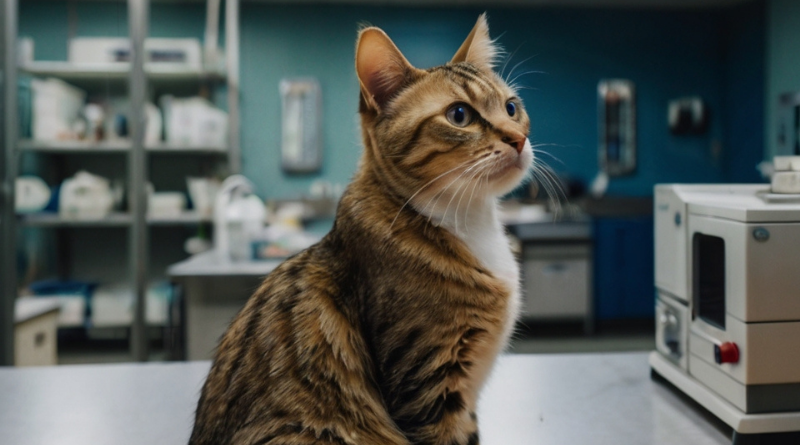
Cats are often seen as low-maintenance pets, but in reality, they require just as much care and attention as any other animal. One of the most important aspects of cat care is ensuring they receive regular veterinary check-ups. These visits are crucial for maintaining your cat’s overall health and well-being. Regular vet visits for cats are crucial for maintaining your cat’s overall health and well-being. Here’s why regular vet visits are so important.
Early Detection of Health Issues
Cats are masters at hiding discomfort and illness. Regular vet visits allow for early detection of potential health issues. By catching problems early, you can ensure that your cat receives the necessary treatment before conditions worsen. This can include anything from dental disease to more serious conditions like kidney disease or diabetes. Early intervention often means less invasive and more affordable treatments.
Preventive Care and Vaccinations
Preventive care is a cornerstone of regular veterinary visits. Regular vet visits for cats are essential to protect your cat from common infectious diseases such as feline distemper, rabies, and feline leukemia. During these visits, your vet can also administer booster shots to maintain immunity. Additionally, routine check-ups provide an opportunity to discuss parasite prevention, which includes treatments for fleas, ticks, and heartworms.
Monitoring Weight and Nutrition
Maintaining a healthy weight is vital for your cat’s health. Obesity in cats can lead to numerous health problems, including diabetes, arthritis, and heart disease. During regular vet visits, your vet will monitor your cat’s weight and provide dietary recommendations to ensure they remain at an optimal weight. This includes discussing the best types of food for your cat’s age, health status, and lifestyle. For example, kittens and senior cats have different nutritional needs that your vet can help you address.
Dental Health
Dental health is often overlooked in cats, yet it is an essential part of their overall well-being. Regular veterinary visits include dental check-ups to identify any signs of dental disease, such as tartar buildup, gingivitis, or tooth decay. Dental issues can cause significant pain and discomfort for your cat and may lead to more serious health problems if left untreated. Regular cleanings and proper dental care can prevent these issues. Your vet might recommend specific dental products or procedures to maintain your cat’s oral health.
Behavioral Assessments
Regular vet visits are also an opportunity to address any behavioral issues your cat might be experiencing. Changes in behavior can sometimes indicate underlying health problems. For instance, a cat that suddenly starts avoiding the litter box might have a urinary tract infection. Your vet can help diagnose and treat such issues, ensuring that your cat remains both physically and mentally healthy. Additionally, your vet can provide advice on how to manage behavioral problems such as aggression or anxiety.
Senior Cat Care
As cats age, they become more susceptible to various health issues, such as arthritis, kidney disease, and hyperthyroidism. Regular vet visits are especially important for senior cats to monitor and manage these age-related conditions. Your vet can provide specific care recommendations, including diet changes, supplements, and medications, to help your senior cat maintain a good quality of life. Regular blood work and other diagnostic tests can help catch problems early and manage them effectively.
Conclusion
Regular veterinary visits are crucial for maintaining your cat’s health and longevity. These visits allow for early detection of health issues, preventive care, weight and nutrition monitoring, dental health maintenance, behavioral assessments, and specialized senior cat care. By committing to regular vet visits, you are ensuring that your feline friend remains healthy, happy, and well-cared for. Remember, a healthy cat is a happy cat, and regular vet visits are a key part of ensuring your pet’s well-being.
Sources: