
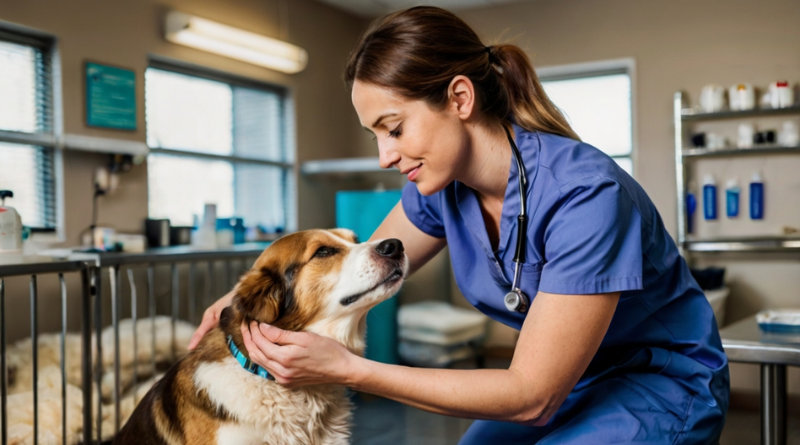
Pets are cherished members of our families, and their safety is paramount. However, accidents can happen at any time, leaving pet owners in stressful situations. Knowing how to provide immediate first aid can make a significant difference in your pet’s health until professional help is available. Here are some essential pet first aid tips to handle pet injuries at home before visiting the vet.
Stay Calm and Follow These Pet First Aid Tips
The first step in any emergency is to stay calm. Pets can sense your stress, which may make them more anxious or even aggressive. Carefully assess the situation to determine the severity of the injury. Is it a minor cut, or is it something more serious like a broken bone or excessive bleeding? Understanding the nature of the injury will help you decide on the appropriate first aid measures.
Control Bleeding Immediately
If your pet is bleeding, act quickly to control it. Use a clean cloth or gauze to apply gentle but firm pressure to the wound. Avoid using tourniquets unless absolutely necessary, as they can cause further damage. For smaller cuts, you can use an antiseptic solution to clean the area before applying a pet-safe bandage.
Handle Fractures with Care
If you suspect your pet has a broken bone, avoid moving them unnecessarily. Immobilize the area by wrapping it with a soft towel or creating a makeshift splint using household items like cardboard. Be gentle, as improper handling can worsen the injury. Do not attempt to reset the bone yourself; this should only be done by a veterinarian.
Treating Burns and Scalds
For minor burns, rinse the affected area with cool (not ice-cold) water for several minutes. Avoid applying creams or ointments unless directed by a vet, as some substances can irritate the skin further. For more severe burns, cover the area with a damp, clean cloth and seek immediate veterinary assistance.
Dealing with Choking
If your pet is choking, look inside their mouth to see if you can safely remove the obstruction with your fingers or tweezers. Be cautious not to push the object further down their throat. If you cannot remove it, perform the Heimlich maneuver specifically adapted for pets. For smaller animals, gentle back blows may help dislodge the object.
Monitor for Signs of Shock
Shock is a common response to serious injuries and can be life-threatening. Signs of shock include pale gums, rapid breathing, and a weak pulse. Keep your pet warm by wrapping them in a blanket and ensure they remain as calm and still as possible. Seek immediate veterinary care if you suspect shock.
Prepare a Pet First Aid Kit
Having a pet first aid kit on hand can save valuable time during emergencies. Your kit should include items such as gauze, antiseptic wipes, bandages, scissors, tweezers, a digital thermometer, and pet-safe pain relief (as advised by your vet). Keep the kit in an easily accessible location and familiarize yourself with its contents.
Know When to Seek Veterinary Care
While first aid can stabilize your pet, it is not a substitute for professional veterinary care. Always follow up with your vet, even if the injury seems minor. Some conditions, such as internal bleeding or infections, may not show immediate symptoms but can become serious if untreated.
Conclusion
Being prepared to handle pet injuries at home is a crucial skill for any pet owner. By staying calm and following these first aid tips, you can provide immediate care and improve your pet’s chances of recovery. Remember, the goal is to stabilize your pet until they can receive professional veterinary attention. Always consult your vet for further advice and guidance.
By following these steps, you’ll be better equipped to handle emergencies and ensure your furry friend stays safe and healthy. Make sure to share this article with other pet owners to help them be prepared too!
Sources: American Veterinary Medical Association (AVMA), PetMD.