
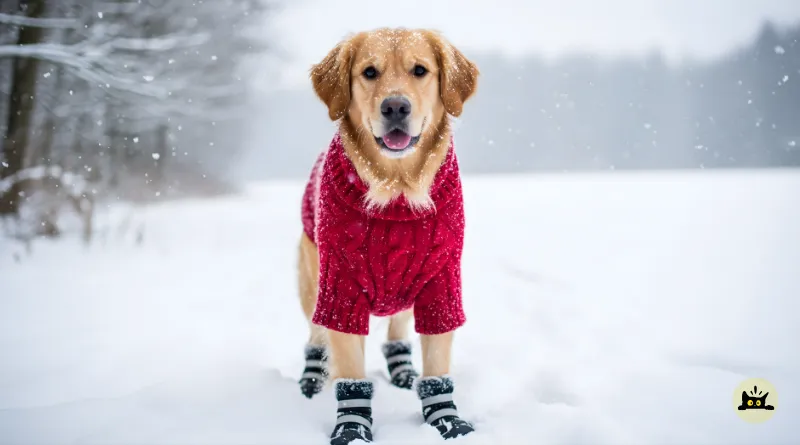
As winter arrives with its crisp air and very cold weather, it’s crucial to know how to keep pets warm in winter. Staying out too long in the cold can make your pet dangerously cold, give them frostbite (skin freeze), or cause other health problems. By knowing how well your pet handles the cold and spotting the first signs of trouble, you can take simple actions to keep them cozy and safe all winter long, and learn how to keep pets warm in winter even on the chilliest days.
Know How to Keep Pets Warm in Winter and Handle the Cold
Not every pet stays warm the same way, so learning how to keep pets warm in winter is key. Age, breed, fur length, body weight, and health issues all play a part in how well they keep their body temperature up.
- Talk to your vet before winter about joint pain, heart trouble, or hormone issues that cold weather can make worse.
- Puppies and kittens have less body fat and can’t control their heat as well, so they get chilly faster.
- Cold-climate breeds (like Siberian Huskies and Alaskan Malamutes) have thick, warm coats that trap body heat.
- Limited-fur breeds (like Greyhounds or Chihuahuas) and indoor cats usually feel the cold sooner.
Before they shiver, here’s how to keep pets warm in winter by watching for these warning signs:
- Shivering or trembling—your pet’s way to try to warm up.
- Feet, ears, or tail that feel hard and cold.
- Moving slowly, stumbling, or refusing to keep going.
- Whining, pacing, or burrowing under furniture to hide from the chill.
If you see any of these, bring your pet inside right away and warm them up gently.
How to Treat Skin Freeze (Frostbite)
Skin freeze happens when the skin and tissues actually freeze. The first clues are skin that looks pale, gray, or blue. Once it thaws, the area can swell and hurt badly. In serious cases, the frozen parts may die and need surgery.
What to do if you spot frozen skin:
- Bring your pet inside somewhere warm—never rub or massage the cold spot.
- Dip the area in warm (not hot) water until it softens.
- Pat dry gently and wrap in a soft towel.
- Call your vet right away for advice and pain relief.
Easy Ways to Keep Pets Warm in Winter
Keeping Them Cozy Indoors
- Pick a no-draft spot off the cold ground and add a warm bed or auto-heating pad with shutoff features.
- Run a humidifier—some moisture in the air helps stop dry, flaky skin.
- Toss in extra blankets for older pets or thin-coated animals—just make sure they can’t chew or swallow fabric.
Staying Safe Outside
- Cut down their time outside on very cold days. Short-fur dogs might only handle 10–15 minute walks; furry breeds can go up to an hour if you keep watch.
- Dress thin-coated pets in properly fitting sweaters or waterproof jackets that cover the body and neck without squeezing.
- Protect paws by rubbing on a thin layer of vet-safe paw cream before heading out. Trim long fur between toes so ice balls don’t form.
What to Do: Emergency Warming Steps to Keep Pets Warm in Winter
- How to Warm Them Up Right Away: Wrap your pet in warm blankets and sit together in a heated room.
- Check Their Temperature: Take their reading every 10 minutes with a regular thermometer. If it’s still under 100°F (37.8°C), call your vet for urgent care.
- Frostbite First Aid: Soak frozen spots in warm water and never rub them. Reach out to your vet without delay.
Protect Paws and Watch for Toxins
Salts and ice-melting chemicals can burn paw pads and upset tummies if licked or swallowed. After each walk:
- Rinse feet with warm water and pat dry to wipe off salt.
- Rub in pet-safe paw cream or a bit of petroleum jelly for extra shield.
- Swap rock salt for pet-safe ice melt on driveways and sidewalks.
Keep antifreeze and deicers locked away—these liquids can burn paws and make pets very sick. If you think your pet licked or drank any of it, call the ASPCA poison hotline at 1-888-426-4435 right away.
Extra Care for Older or Sick Pets
Senior pets or those with long-term health problems need more help when it’s cold. Joint pain gets worse in chill, so give soft bedding and do gentle indoor play to keep them moving. Talk to your vet about changing food or adding vitamins that support joint and heart health during winter.
A Simple Winter Routine
- Book vet visits twice a year to find and fix cold-related issues early.
- Keep fur clean and tangle-free—dirty or matted fur traps less heat. Don’t shave your pet’s coat in winter.
- Stop water bowls from turning to ice by using warm bowls or changing water often—drinking enough helps keep blood flowing.
- Lock away all antifreeze and ice chemicals. Even pet-safe ice melts can irritate if licked. In any poisoning scare, call the ASPCA poison hotline immediately.
By following these vet-approved tips to keep pets warm in winter, you’ll help your pet stay warm and happy all winter long.
Sources : World Small Animal Veterinary Association, ASPCA, The Kennel Club (UK)
You might also like another post in this category: Recognize Snake Bite Symptoms Fast