
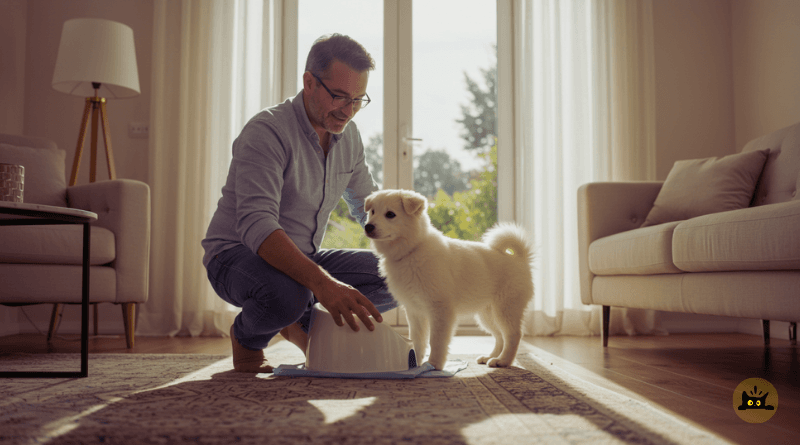
Bringing home a bouncy puppy is pure joy until the first puddle hits your carpet. With fast puppy potty training, you and your floors stay happy. House-training doesn’t have to drag on for months; stick to a tight plan and most pups learn reliable bathroom manners within weeks. The tips below blend advice from The Kennel Club (UK), the Veterinary Information Network (VIN), and Pet Poison Helpline into one clear roadmap you can start today.
Why Speed Matters for You and the Pup
The Kennel Club warns that repeated indoor accidents can damage carpets, spread stomach bugs, and weaken the bond between dog and family. Quick success protects your floors and builds your puppy’s confidence.
Know the Bladder Rule
VIN veterinarians share a simple guide: your puppy’s age in months equals the maximum hours they can hold it up to nine months old. A two-month-old pup needs a break at least every two hours, plus right after waking, eating, or hard play.
Set Up One Bathroom Spot Outdoors
Dogs learn fastest when every success smells the same. Pick a small grass patch, walk the pup there on leash, and say one cue word“Go potty.” As soon as your puppy finishes, praise warmly and hand a pea-sized treat. Timing within two seconds locks the lesson in.
Crate Shortcut Not Jail
A right-sized crate feels like a den puppies want to keep clean. It should be just big enough for standing and turning. If it’s roomy, add a divider so the pup can’t mess in the back and sleep up front. Feed meals inside and toss in chew toys to keep the vibe upbeat.
Fast Puppy Potty Training Daily Schedule
| Time | What to Do |
|---|---|
| 6:30 a.m. | Carry puppy straight outside before paws hit the floor. |
| After breakfast | Return to the same grass patch. |
| Mid-morning | Play under watch; potty break every 60–90 min. |
| Noon | Lunch, water, then potty trip. |
| Afternoon | Crate rest (hours match months of age). Potty when crate door opens. |
| 6:00 p.m. | Dinner followed by outdoor break. |
| Evening | Calm play; final trip at 9 p.m., then bedtime crate. |
VIN notes that puppies thrive on a steady routine; each dry hour literally trains the bladder.
Rapid-Response Accident Plan
- Catch your pup in the act – say “Outside!” calmly, pick them up, hurry to the bathroom spot, and praise if they finish there.
- Find a puddle later – skip scolding; dogs connect feedback only to current actions. Blot, then clean with an enzyme product. Pet Poison Helpline warns that ammonia cleaners smell like urine and invite repeats.
- Many accidents in one room – close that area with baby gates and add an extra potty break for two days.
Troubleshooting in Real Life
Nighttime whines usually mean a full bladder. Whisper “Outside,” carry the pup out, keep lights low, reward, and head straight back to bed no playtime. Pad-to-outdoor switch: confine pads to one pen area; every three days shrink pad space by half until one remains, then slide it toward the door and eventually outdoors. Bad weather: clear a narrow “potty lane” on ice or place a turf square on a covered balcony. Same spot, same cue keeps habits strong.
Quick Do and Don’t List
| Do | Don’t |
|---|---|
| Reward within 2 seconds | Rub the pup’s nose in accidents |
| Keep a written schedule | Leave food out all day |
| Use a crate for short rests | Let the puppy roam unsupervised |
| Clean with enzyme cleaners | Use strong ammonia cleaners |
Graduating From Constant Trips
After two accident-free weeks, extend indoor play sessions by 30 minutes and drop one midday potty run. Keep praising outdoor success for another month to lock in the habit. The Kennel Club reminds owners that patience now means fewer problems later.
Final Thoughts
Fast and easy potty training isn’t magic it’s perfect consistency. Follow the bladder rule, use one bathroom spot, supervise closely, and reward generously. Your puppy will connect the dots sooner than you expect, giving you clean floors, a confident dog, and a happier home.
Sources : The Kennel Club, Veterinary Information Network, Pet Poison Helpline
Check out our guide on choosing the best puppy food for rapid growth: Breed-Specific Dog Food Nutrition for a Healthier Pet