
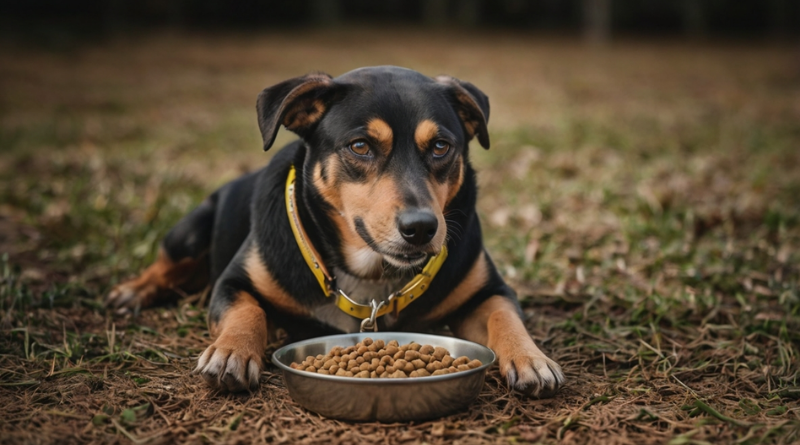
How to transition your dog to a new food requires careful planning to avoid digestive issues and ensure a smooth transition. Whether it’s due to dietary needs, health conditions, or simply changing preferences, transitioning your dog’s food should be done gradually. Here are some tips to help you make the switch successfully.
Why Transition Slowly?
Abruptly changing your dog’s diet can lead to digestive problems such as vomiting, diarrhea, and loss of appetite. By transitioning your dog’s food slowly, you allow your dog’s digestive system to adjust to the new ingredients. This gradual change helps prevent gastrointestinal upset and ensures that your dog accepts the new food without any issues. Transitioning slowly also allows you to monitor your dog’s response to the new food and make adjustments if necessary.
Gradual Transition Plan
A gradual transition plan typically spans over 7-10 days. Start by mixing a small amount of the new food with your dog’s current food. Increase the proportion of the new food while decreasing the old food every few days. Here’s a basic plan:
- Days 1-3: Mix 25% new food with 75% old food.
- Days 4-6: Mix 50% new food with 50% old food.
- Days 7-9: Mix 75% new food with 25% old food.
- Day 10: 100% new food.
It’s important to note that some dogs may need a longer transition period, especially if they have a sensitive stomach. Be patient and adjust the timeline as needed based on your dog’s individual needs.
Monitor Your Dog’s Response
During the transition period, closely monitor your dog’s response to the new food. Look out for signs of digestive upset such as vomiting, diarrhea, or changes in stool consistency. If any issues arise, slow down the transition process and allow your dog more time to adjust to the new food. It’s important to be patient and flexible during this period. Keep a journal of your dog’s reactions and consult with your veterinarian if you notice any persistent problems.
Choosing the Right New Food
Selecting the right new food for your dog is crucial. Consider your dog’s age, breed, size, and any specific dietary needs or health conditions. Consult with your veterinarian to choose a high-quality food that meets your dog’s nutritional requirements. Look for foods with balanced ingredients and avoid those with fillers, artificial additives, or low nutritional value. Reading reviews and doing research on the brand can also help you make an informed decision.
Maintaining Hydration
Adequate hydration is essential during the transition period. Make sure your dog has access to fresh water at all times. If your dog experiences mild digestive upset, such as loose stools, ensure they stay hydrated to prevent dehydration. Adding a bit of water or low-sodium broth to their food can also help make the new diet more appealing and easier to digest. Encourage your dog to drink water by placing multiple water bowls around the house and keeping the water fresh.
Adding Supplements and Treats
If your dog is on supplements or has favorite treats, continue to offer them during the transition period. This consistency can help reassure your dog and maintain their normal routine. However, be cautious not to introduce new treats or supplements simultaneously with the new food to avoid overwhelming your dog’s digestive system. If you need to introduce new supplements, do so gradually and one at a time to monitor your dog’s response.
Addressing Picky Eaters
Some dogs can be picky eaters, making the transition to a new food more challenging. To help with this, try warming up the new food slightly to enhance its aroma and make it more appealing. You can also mix in a small amount of a favorite treat or wet food to entice your dog to try the new diet. Gradually reduce the amount of the treat or wet food as your dog becomes more accustomed to the new food.
Conclusion
Transitioning your dog to a new food requires a gradual and thoughtful approach to ensure their well-being. By following a slow transition plan, monitoring your dog’s response, choosing the right new food, maintaining hydration, and incorporating familiar supplements and treats, you can help your dog adjust smoothly to their new diet. Remember, patience and observation are key to a successful transition. If you encounter any persistent issues, consult with your veterinarian for guidance.
Sources: