
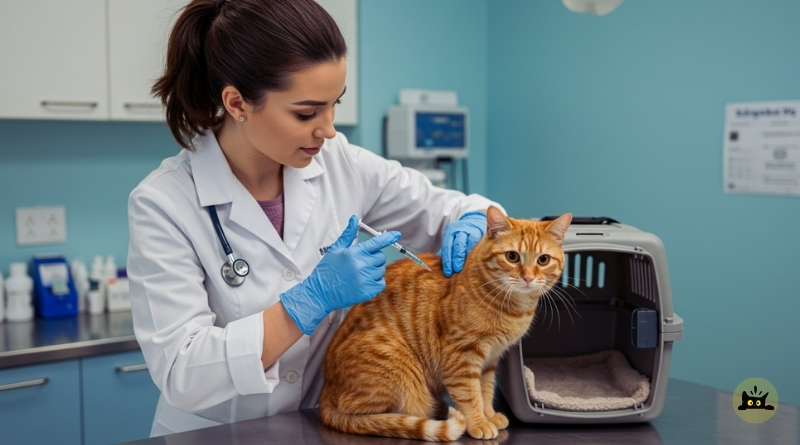
Vaccinating your cat is one of the best ways to keep them safe and happy for many years. Just like people, cats can catch different illnesses if they aren’t protected by the right shots. Vaccines help your cat’s body learn how to fight off sickness by recognizing harmful germs, so if your cat is ever exposed, they have a much better chance of staying well. In this guide, we break down everything you need to know about cat vaccinations, including why they are important, which shots are essential, the recommended vaccination schedule, and practical tips to ensure your cat feels comfortable both before and after their shot.
Why Cat Vaccinations Matter
Cat vaccinations are vital for keeping your feline friend healthy. Without the appropriate shots, your cat might be at risk for serious diseases like rabies, feline distemper (panleukopenia), and infections that cause what many owners call a “cat cold.” Trusted organizations such as International Cat Care and the Cornell University College of Veterinary Medicine confirm that following a regular vaccination routine can protect your pet and even help prevent the spread of illness within the cat community.
Vaccines work by helping your cat’s body learn how to fight off sickness, making them better prepared if they’re ever exposed to harmful germs. While no vaccine can guarantee 100% protection, keeping your cat up to date with their vaccinations greatly reduces the chances of severe illness. This proactive step means you are giving your cat an important line of defense so they can lead a playful, lively, and fulfilling life.
Core Vaccines for Every Cat
Every cat should receive core shots regardless of their lifestyle. These core vaccines include:
- Cat Distemper Shot: This vaccine guards against feline distemper, a highly contagious and sometimes life-threatening virus.
- Cat Cold Shots (Herpesvirus and Calicivirus): These shots protect against the germs that typically cause common respiratory problems—or what is often referred to as a “cat cold.”
- Rabies Shot: Not only is this shot legally required in many areas, but it also protects both your cat and the public by preventing the spread of rabies.
These essential shots are recommended for every cat because they cover diseases that can have serious health implications—even if your feline primarily lives indoors.
Extra Vaccines for Special Situations
Depending on your cat’s way of life and any extra risks they may face, your vet might recommend a few additional shots. For example:
- Feline Leukemia Shot: If your cat spends time outdoors or has frequent contact with other cats, this shot can help protect them against a highly contagious virus.
- Additional Respiratory Vaccines: In environments where many cats gather—such as shelters or boarding facilities—extra shots may be advised to help reduce the risk of respiratory infections.
Discussing these extra vaccination options with your vet will help you create a tailored vaccination plan that fits your cat’s specific lifestyle and risk factors.
Understanding the Vaccination Schedule
A proper vaccination schedule is key to ensuring ongoing protection. Kittens usually begin their vaccination journey as early as 6 to 8 weeks old. They receive their first round of shots to start building immunity, followed by follow-up shots (or boosters) that help maintain that protection. Depending on the vaccine, these follow-up shots may be needed every year or every three years.
Regular check-ups with your vet are crucial. These visits allow your veterinarian to evaluate your cat’s overall health, recommend any necessary changes to the vaccination schedule, and answer any questions you might have about your pet’s wellbeing. Whether your cat needs annual boosters or can wait a little longer between shots, a personalized approach is always best.
Pre- and Post-Vaccination Care: What to Do
Before the Shot
Before your cat gets a shot, it’s important to make sure they are feeling well. A quick visit to the vet for a health check can confirm that your pet is in good condition for vaccination day. If your cat gets a little nervous at the vet’s office, try helping them get used to car rides or consider using a calming spray to ease any anxiety. Such measures can make the entire experience much smoother—and less stressful—for both you and your pet.
After the Shot
After the shot, keep a close eye on your cat for any unusual signs. Most felines do well post-vaccination, but some might experience mild side effects. These can include slight soreness at the injection spot, a tiny bump, or even a bit of extra tiredness. To help your cat recover comfortably, create a cozy, quiet space where they can rest. Make sure they have plenty of fresh water readily available and continue offering their regular meals.
If you notice any worrisome symptoms—such as persistent vomiting, trouble breathing, or if your cat seems overly distressed—contact your veterinarian immediately. By taking these simple steps, you can quickly address any potential issues and ensure your cat gets back to their usual self as soon as possible.
Final Thoughts
Vaccinating your cat isn’t just another item on your pet care checklist—it’s a crucial commitment to your furry companion’s long-term health. With the core shots and any additional vaccines that may be required based on your cat’s lifestyle, along with a sensible vaccination schedule and careful pre- and post-shot care, you can give your cat one of the best chances to stay healthy and happy.
Understanding each vaccine’s role and knowing what to expect before, during, and after the appointment puts you in a strong position as a cat owner. Don’t hesitate to discuss any concerns with your vet; a proactive approach and good communication can make a huge difference in your pet’s care. In the end, a well-vaccinated cat is a healthier and happier cat—a cornerstone of a joyful family life.
Sources : American Kennel Club, International Cat Care, Cornell University College of Veterinary Medicine