
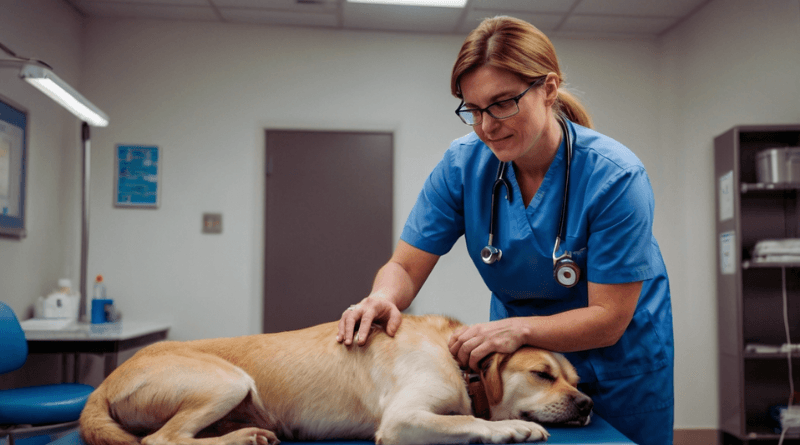
This comprehensive pet cpr guide is designed to help you take quick, clear action during a pet emergency. Every second matters when your dog or cat is in danger, and knowing how to perform CPR could save your beloved companion’s life. In this guide, we explain the process of pet CPR using simple, everyday language so that anyone—even without medical training—can follow these step-by-step instructions.
Pet CPR Guide: Understanding the Basics
Pet CPR is a life-saving technique used when your pet stops breathing or its heart stops beating. Although the methods are similar to those you might know from human CPR, there are important differences to consider. Factors such as your pet’s size, chest shape, and overall condition mean that the pressure and technique have to be adjusted accordingly. Remember, while this guide gives you a basic plan, it in no way replaces the advice or treatment provided by a veterinary professional. In any emergency, call your vet immediately.
When to Perform CPR on Your Pet
Recognizing the signs that your pet needs CPR is vital:
- Unresponsiveness: If your pet does not wake up when you softly call its name and lightly tap or rub its shoulder.
- No Breathing: If you do not see any chest movement or hear any small breaths.
- No Pulse: Although checking for a pulse is best done by a professional, if you can’t feel a quiet heartbeat on your pet’s inner thigh, it may be a sign.
Even if you’re not 100% sure, beginning CPR could give your pet the vital extra minutes needed until help arrives.
How to Perform CPR on Your Pet: A Step-by-Step Guide
Step 1: Assess the Situation
- Check Responsiveness: Softly call your pet’s name and lightly tap or gently rub its shoulder.
- Observe Breathing: Watch for any chest movement and listen carefully for even the faintest breath.
- Call for Help: Quickly call your vet or ask someone nearby to help — every minute counts.
Step 2: Position Your Pet
- For Medium to Large Dogs: Lay your pet on its right side on a firm, flat surface.
- For Small Dogs and Cats: Place your pet on a padded surface and gently roll it onto its side for safety. Proper positioning ensures that your chest presses are as effective as possible.
Step 3: Open the Airway
- Tilt the Head Gently: Carefully extend the neck to open the airway without causing injury.
- Clear the Mouth: Remove any visible debris, such as food or vomit, that might block breathing.
- Feel for a Quiet Heartbeat: Lightly place your finger on the inner thigh to sense any pulse.
Step 4: Begin Chest Presses
- Find the Right Spot:
- For dogs: Use the heel of your hand on the broadest part of the chest just behind the front leg.
- For cats and small dogs: Use two fingers placed just behind the front limbs.
- Perform Gentle Presses: Press firmly at a rate of about 100 presses per minute. Aim to depress the chest about one-third to one-half of its normal depth. Watch carefully for even a hint of movement.
Step 5: Give Rescue Breaths
- Seal and Breathe: Gently close your pet’s mouth and cover its nose with your mouth. Blow in a small amount of air slowly, watching for the chest to rise as a sign the air is reaching the lungs.
- Keep the Pattern: Alternate 30 gentle chest presses with 2 small rescue breaths until you notice a sign of life or professional help arrives.
Step 6: After CPR Steps
- Stop When You See Movement: As soon as you detect even a slight sign of breathing, stop the chest presses.
- Keep Your Pet Warm: Cover your pet with a soft blanket to help maintain its body temperature.
- Seek Professional Care: Even if your pet appears to recover, take it to your vet as soon as possible for a full examination and care.
What to Do: Important Tips and Precautions
- Stay Calm: Your composure helps you perform each step effectively.
- Practice First Aid: Consider taking a pet first aid course so you’re better prepared in emergencies.
- Know Your Pet’s Normals: Familiarize yourself with your pet’s usual heart rate, breathing pattern, and behavior to quickly recognize any changes.
- Set a Safe Scene: Always ensure you and your pet are safe from external hazards before starting CPR.
Conclusion
Performing CPR on your dog or cat is a critical skill that can give your pet a fighting chance during emergencies. With clear, step-by-step instructions, this pet cpr guide empowers you to act swiftly and confidently. Remember, even if your pet recovers, a prompt visit to the vet is a must to ensure no hidden issues remain. Stay prepared, stay calm, and let every action you take be a step toward saving a life.
Sources: American Animal Hospital Association, PetMD, American Veterinary Medical Association